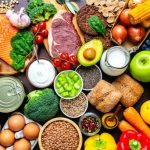


Developing a gut-friendly eating routine is essential for maintaining digestive health and overall well-being. The gut plays a critical role in nutrient absorption, immune function, and even mood regulation, so nurturing it through diet can have far-reaching benefits. Practical steps toward fostering a healthier gut start with incorporating a diverse range of fiber-rich foods. Dietary fiber feeds beneficial bacteria in the intestines, promoting a balanced microbiome. Including plenty of vegetables, fruits, whole grains, nuts, and seeds ensures a steady supply of prebiotics, which are non-digestible fibers that support the growth of good bacteria.
Another important consideration is the inclusion of fermented foods such as yogurt, kefir, sauerkraut, kimchi, and miso. These contain live probiotics that introduce helpful microorganisms directly into the digestive system. Consuming these foods regularly can enhance microbial diversity and improve digestion. However, it is advisable to introduce fermented foods gradually to allow the gut to adjust without discomfort.
Hydration also plays a significant role in gut health. Water helps fiber move smoothly through the digestive tract and prevents constipation. Drinking adequate amounts throughout the day supports digestion and toxin elimination. While water is best, herbal teas like ginger or peppermint can soothe the digestive system and reduce bloating or cramps.
Limiting processed foods and added sugars is another practical measure. Such foods often disrupt the balance of gut bacteria and can lead to inflammation or digestive distress. Instead, focusing on whole, minimally processed ingredients provides nutrients that support gut lining integrity and reduce irritation.
Meal timing and portion control contribute to a gut-friendly routine as well. Eating smaller, more frequent meals rather than large heavy ones can reduce strain on the digestive system. Taking time to chew food thoroughly aids mechanical breakdown and mixes food with saliva enzymes, enhancing nutrient absorption.
For those interested in exploring further details about gut health or meal planning strategies tailored to individual needs, it is beneficial to read more from reputable sources or consult healthcare professionals specializing in nutrition or gastroenterology. Personalized advice can address specific concerns such as food intolerances or chronic conditions affecting digestion.
By consistently applying these practical dietary habits-fiber diversity, fermented foods, hydration, limiting processed items, mindful eating-individuals can cultivate a gut-friendly eating routine that supports long-term digestive wellness without drastic lifestyle changes.