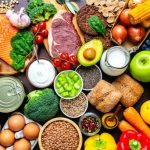


Maintaining cardiovascular health relies heavily on adopting balanced eating habits that support the heart and vascular system. Nutrition plays a pivotal role in managing blood pressure, cholesterol levels, and overall heart function. A diet rich in whole foods, particularly fruits, vegetables, whole grains, lean proteins, and healthy fats, provides essential nutrients that promote heart health and reduce the risk of cardiovascular disease.
Fruits and vegetables supply antioxidants, fiber, vitamins, and minerals that help lower inflammation and oxidative stress in the arteries. These foods also contribute to maintaining healthy blood pressure by providing potassium and magnesium. Whole grains are another crucial component; they contain soluble fiber that can reduce LDL cholesterol, often referred to as “bad cholesterol.” Incorporating oats, barley, quinoa, or brown rice into meals supports better lipid profiles and improves vascular function.
Lean proteins such as poultry, fish, legumes, and nuts offer high-quality amino acids without excessive saturated fat. Fatty fish like salmon or mackerel are especially beneficial due to their omega-3 fatty acids content, which has been shown to decrease triglycerides and improve arterial elasticity. Limiting red meat consumption while focusing on plant-based proteins can further reduce cardiovascular risk.
Healthy fats from sources like olive oil, avocados, and nuts help maintain favorable cholesterol levels by increasing HDL cholesterol, the “good cholesterol.” These fats also have anti-inflammatory properties that protect the lining of blood vessels. Conversely, saturated fats found in processed foods and trans fats found in some baked goods should be minimized as they contribute to plaque buildup in arteries.
Sodium intake is another critical factor; excessive salt consumption can elevate blood pressure and strain the heart. Opting for fresh ingredients over processed or packaged foods helps control sodium levels naturally. Additionally, moderating added sugars is vital since high sugar intake is linked to obesity and metabolic disturbances that increase cardiovascular risk.
While focusing on balanced eating habits for cardiovascular health, some individuals explore supplements or specialized regimens to enhance their wellness routines. For example, the wolverine peptide stack guide outlines a combination of peptides purported to support muscle recovery and overall vitality. Although primarily targeted at fitness enthusiasts, understanding such guides can provide insight into how nutritional strategies intersect with supplementation for holistic health management.
Ultimately, consistent attention to diet quality alongside physical activity forms the foundation for a resilient cardiovascular system. Choosing nutrient-dense foods rather than relying on supplements alone ensures long-term benefits for heart health. By prioritizing whole foods rich in vital nutrients and minimizing harmful components like saturated fat and excess sodium, individuals can effectively reduce their risk of cardiovascular disease and promote sustained well-being.